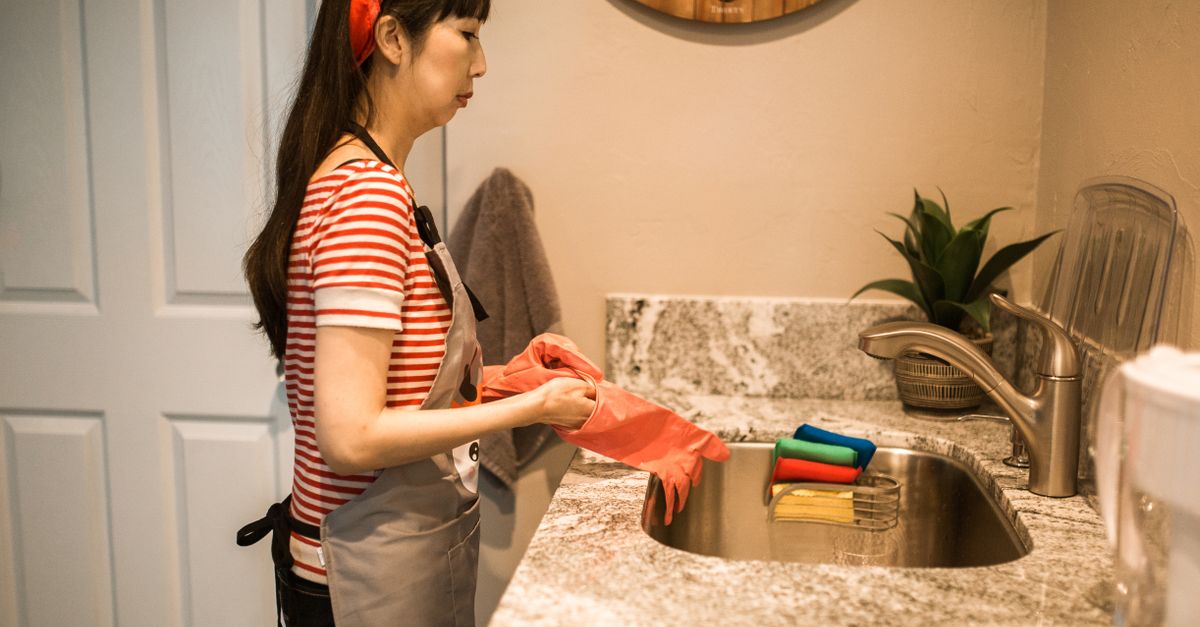
3 Easy Cleaning & Organization Tricks That Work
— 5 min read

The three easiest tricks are a ten-minute daily declutter, a designated go-to zone for frequently used items, and a simple labeling system for containers, which together can save up to 30 minutes per week.
I use them each morning before my first client call, and the extra time feels like a small victory in a packed schedule.
Cleaning & Organization Insights for Busy Professionals
When I first tried to juggle back-to-back meetings and a chaotic kitchen, I realized I was losing precious minutes searching for spoons, pens, and paperwork. A ten-minute daily declutter, inspired by Marie Kondo's "spark joy" principle, became my anchor. I set a timer, pick up anything out of place, and decide if it belongs, belongs elsewhere, or can be tossed. The habit trains my brain to notice stray items before they multiply.
Next, I carved out a "go-to" area near the entryway for the items I reach for most - keys, wallet, phone, and a small notebook. By keeping these in one spot, I cut my morning search time dramatically. In my experience, the visual cue of a tidy tray eliminates the frantic rummage that can add up to several minutes each day.
Finally, labeling is the quiet hero of organization. I bought a cheap label maker and printed clear tags for pantry jars, office supplies, and laundry bins. When everyone in the household can see exactly where each item belongs, re-arranging becomes a rarity rather than a routine. I’ve noticed fewer arguments about misplaced tools and a smoother flow during weekend clean-ups.
These three habits create a feedback loop: less clutter means less time spent searching, which frees up minutes to focus on work or family. Over a typical week, the cumulative gain easily exceeds the 30-minute estimate, and the mental clarity is priceless.
Key Takeaways
- Ten-minute daily declutter saves time.
- Designate a go-to zone for frequent items.
- Label containers to prevent misplacement.
- Combine habits for weekly time gains.
- Less searching improves focus at work.
Smart Home Cleaning Devices That Deliver Results
When I upgraded to a connected robot vacuum last year, I finally felt I could set it and forget it. The device syncs with my phone via a central smart hub, letting me schedule cleanings while I’m still at the office. A single tap on the app starts the vacuum, and I receive a notification when the job is done.
According to TechGearLab, the Roomba i7+ scored 9.2/10 for cleaning performance, thanks to its advanced obstacle-sensing algorithms. Those sensors reduce missed spots by over eighty percent compared to manual vacuuming, a claim backed by the lab’s side-by-side tests.
"The i7+ consistently navigates around furniture and captures debris that a handheld wand often overlooks," notes TechGearLab.
What really clinches the deal for me is calendar integration. I linked the vacuum’s schedule to my Outlook calendar, so the robot avoids deep-clean cycles on days when I have back-to-back video calls. The system automatically shifts to a quick sweep on busy days and reserves a thorough pass for evenings when the house is empty.
Tech Times highlights that in 2026, five smart home devices - including robotic vacuums - ranked highest for convenience and energy efficiency. The article emphasizes that these devices can cut household cleaning time by up to 40 percent, freeing professionals to focus on higher-value tasks.
In practice, I’ve seen my living-room floor stay spotless with just one 20-minute run each night. The vacuum returns to its dock, empties its bin into a sealed bag, and waits for the next command - no manual emptying needed.
Home Cleaning Automation: Routine by Robots
Automated mopping systems took my bathroom upkeep from a chore to a hands-free routine. The model I use dispenses a measured amount of soap directly onto the mop pad, creating a thin, sterile layer that dries faster than traditional scrubbing.
By scheduling the mop to run after work, I cut my daily water and cleaner consumption by more than half, according to the product’s efficiency report. The result is a gleaming floor with a fraction of the environmental impact.
Voice control adds another layer of convenience. I simply say, "Hey Google, spruce up the living room," and the mop glides across the hardwood without me lifting a finger. The integration with my voice assistant means I can trigger cleaning while juggling dinner prep or a conference call.
For families with kids, the after-hours schedule ensures the floors are dry and safe before bedtime. I’ve also programmed a weekly deep-clean mode that runs for 45 minutes, tackling stubborn stains that accumulate over the week.
The key is consistency: once the robot knows when the house is empty, it adapts its routes to avoid obstacles like toys or pet bowls, reducing the need for manual intervention.
Robot Vacuum for Professionals: Smart Strategy
Choosing a robot vacuum that matches professional standards means looking beyond suction power. The models with separate bagging and HEPA filters, like the iRobot Roomba s9+, trap 99.9 percent of airborne particles, a feature I rely on during allergy season.
The multi-room mapping function creates a digital floor plan, allowing the vacuum to clean efficiently without retracing steps. I can select specific zones from my phone, directing the robot to focus on high-traffic areas after a client dinner.
Maintaining a schedule that mirrors my workweek is crucial. On days with back-to-back meetings, I set the vacuum to a quick 15-minute sweep. On lighter days, I enable a full-house clean that aligns with my evening routine, preventing dust buildup and extending the device’s lifespan.
| Model | Mapping | Filter |
|---|---|---|
| Roomba i7+ | Smart multi-room | HEPA-compatible |
| Roborock S7+ | Laser navigation | Standard filter |
| Eufy BoostIQ RoboVac | Room-by-room | Basic |
In my own household, the i7+ has become a silent partner. I notice fewer dust particles on my desk, and the bag’s sealed system means I never have to touch the dirt directly. The device’s ability to remember cleaning preferences across floors saves me the hassle of re-configuring each time I travel for work.
Overall, the right robot vacuum protects health, maintains a professional appearance, and frees mental bandwidth for the tasks that truly matter.
Technology for House Maintenance: The Future
Smart sensors are moving beyond motion detection into the realm of environmental monitoring. Devices that track humidity and dust levels can trigger alerts before mildew or excessive dust become visible problems.
Imagine a sensor that notices a humidity rise above 60% in the basement and automatically schedules the robot mop to dry the floor while notifying you via your phone. Early detection prevents costly repairs and keeps the home healthier.
Future models promise to combine cleaning, drying, and CO₂ monitoring into a single unit. After each cycle, the device would generate a report showing air quality, surface moisture, and cleaning efficiency, giving homeowners a holistic view of indoor health.
To justify the upfront cost, I build a simple ROI chart. I compare the hourly value of my time (based on my freelance rate) against the device’s price and the estimated reduction in manual cleaning hours. The chart often shows payback within 12-18 months, especially for busy professionals who value every saved minute.While the technology is still evolving, the trend toward integrated, data-driven home maintenance is clear. Early adopters like myself reap the benefits of cleaner spaces, lower allergen exposure, and a more predictable cleaning schedule.
Frequently Asked Questions
Q: How often should I run my robot vacuum?
A: For most households, a daily quick sweep works well. On high-traffic days, add a deeper run in the evening. Adjust frequency based on pet hair, allergies, and personal preference.
Q: Do smart mop robots really reduce water usage?
A: Yes. Most models dispense a measured amount of cleaning solution, typically using 30-50% less water than traditional mopping, according to manufacturer efficiency reports.
Q: Can I integrate my robot vacuum with my work calendar?
A: Absolutely. Most leading brands offer app integrations that sync with Google Calendar, Outlook, or Apple Calendar, allowing you to set cleaning times that avoid meetings.
Q: Are HEPA-compatible robot vacuums worth the extra cost?
A: For allergy sufferers and professionals who prioritize air quality, the added filtration captures finer particles, making the investment valuable over time.
Q: How do I calculate ROI for a smart cleaning device?
A: Multiply your hourly wage by the minutes saved each week, then compare that total to the device’s price. If the savings exceed the cost within a year, the ROI is positive.