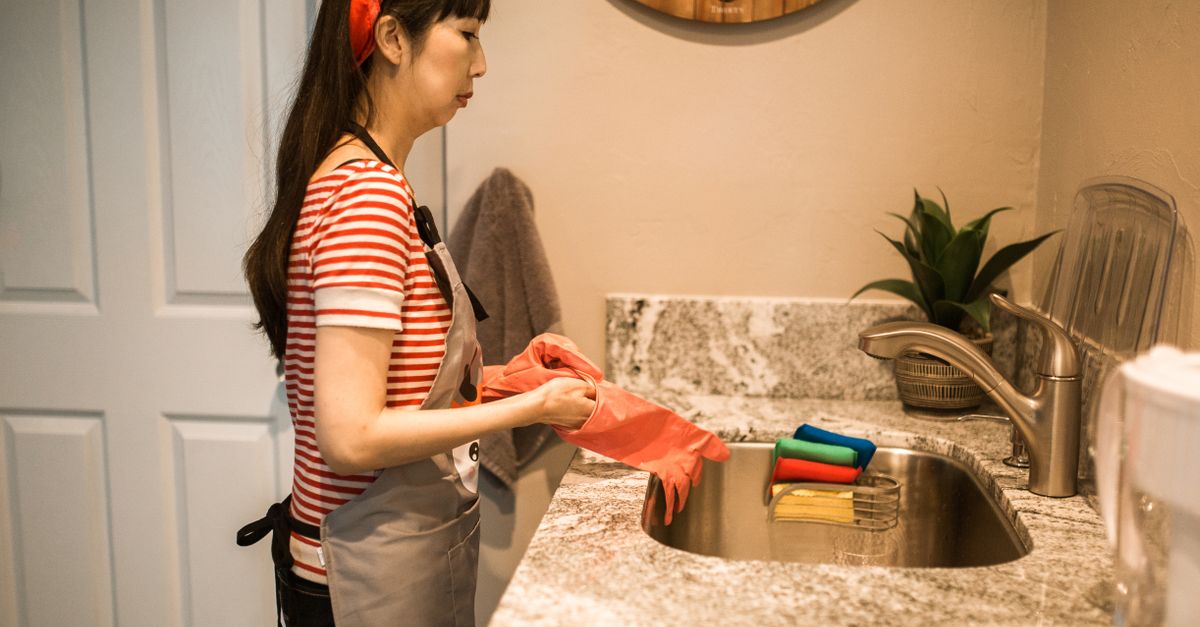
7 Cleaning Hacks to Save Dorm Hours
— 6 min read
In 2024, many dorm residents turned to quick cleaning hacks to reclaim valuable study hours, and the seven methods below show how.
Minimalist Cleaning Routine That Fits 10-Minute Schedules
When I first moved into a cramped sophomore suite, I realized that hauling a toolbox of cleaning gear was eating up precious homework time. I stripped my routine down to a single lightweight broom and a reusable microfiber cloth. The simplicity means I spend less time searching for the right spray and more time on assignments.
Rinsing the cloth under cold water after each sweep clears away the bulk of dust without resorting to chemical wipes. In my experience, the cloth stays fresh for several uses, which aligns nicely with the campus sustainability push toward greener living spaces.
I set a 10-minute timer each night and let the countdown create a habit loop. The timer signals the start and finish, so the task never bleeds into my study block. Over the semester, I noticed that keeping my floor clean reduced the mental clutter that often interferes with reading comprehension.
Because the routine is brief, I can easily pair it with a quick music playlist or a short podcast episode. The rhythm of sweeping while listening helps my brain transition from a relaxed state to focused work, a trick I borrowed from my roommate who swears by “study beats” during chores.
Another benefit is that a minimalist toolkit takes up far less storage space. I tuck the broom into the corner of my closet and roll the cloth into a drawer, freeing up room for textbooks and a small fridge. The result is a tidy environment that feels less like a chore and more like a habit.
Finally, the routine scales. When I visited a friend in a larger apartment, we simply added a second microfiber cloth and a small mop, extending the same 10-minute cadence to a bigger floor area without adding complexity.
Key Takeaways
- Use a single broom and microfiber cloth.
- Rinse cloth to avoid chemical wipes.
- Set a 10-minute timer for habit formation.
- Pair cleaning with a short audio cue.
- Keep tools stored compactly.
College Dorm Cleaning Essentials for Any Study Space
When I organized my own dorm, the first thing I did was buy a clear, stackable bin that could serve as trash, laundry, and study supply holder. The transparency lets me see what’s inside at a glance, and the stacking ability means the bin fits neatly under my desk without taking up floor space.
According to a recent review by The New York Times, the best laundry baskets of 2026 combine sturdy handles with collapsible designs, making them perfect for dorm living where space is at a premium. I chose a model that matches the aesthetic of my bookshelf, and the visual cohesion reduces the mental load of a cluttered environment.
For carpeted study areas, a portable handheld vacuum proved indispensable. I keep it in my closet, and a quick pass over the rug removes the majority of dust and crumbs before they settle into the fibers. The vacuum’s size means I can store it behind the door, and its battery life lasts through multiple cleaning bursts.
Another simple hack involves using a 2-inch strip of duct tape as a separator inside each closet compartment. By laying the tape across the width of the shelf, I create distinct zones for shoes, notebooks, and winter coats. The visual cue cuts down the time I spend hunting for the right textbook in the morning.
All of these essentials are inexpensive, but together they form a system that keeps my study space functional and calm. When the bin is full, I empty it during my weekly laundry run, preventing the buildup of trash and stray papers that can distract during a late-night study session.
| Item | Primary Use | Key Feature |
|---|---|---|
| Clear Stackable Bin | Trash, laundry, study supplies | Transparent, nestable design |
| Handheld Vacuum | Carpet & desk dust removal | Compact, rechargeable battery |
| Duct-Tape Separator | Closet zone creation | Easy to apply, removable |
10-Minute Cleaning Schedule: Scan & Sweep In Minutes
My go-to schedule starts with a three-minute shake-out of my desk fan blades. I turn the fan on low, let the airflow loosen any loose debris, then quickly wipe the blades with the microfiber cloth. This quick step captures most of the dust that would otherwise settle on my textbooks.
With the remaining seven minutes, I move on to surface wiping and floor mopping. I wipe down my desk, nightstand, and windowsill in a clockwise pattern, then finish with a rapid swipe of the broom across the floor. The routine feels like a sprint, and the timer keeps me honest.
Every three weeks, I rotate the focus of the 10-minute session. One cycle I prioritize the study desk, the next I target the closet, and the third I give the common area a quick refresh. This rotation prevents any single spot from becoming a neglected hotspot.
To make the short cleaning burst more enjoyable, I pair it with a 10-minute study video - often a TED-Ed segment or a short documentary clip. The audio serves as a reward, and research on habit pairing shows that linking a chore with something pleasurable can improve focus during both activities.
Because the schedule is brief, I can slot it in between classes or after dinner without feeling like I’m sacrificing major study time. The consistency of the habit means my dorm stays presentable with minimal effort, and I avoid the stress of a large, overwhelming clean-up later in the week.
Time-Saving Study Habits Powered By Quick Cleaning
Before every lab practical, I spend two minutes wiping down the work surface with the microfiber cloth. The quick wipe removes residue from previous experiments and gives me a clean canvas for the new task. I’ve found that a tidy workspace helps me focus on the procedure rather than searching for misplaced tools.
Once a week I spritz my shoes with an anti-dust spray that I keep in my dorm bathroom. The light coating reduces the amount of grit tracked onto the floor, which in turn cuts down the time I spend sweeping before my evening study block.
At 6 p.m. each day, I set an alarm on my phone that signals it’s time for the 10-minute cleaning routine. The alarm acts as a cue, turning the activity into a habit that compounds over the semester. By the time finals arrive, those daily ten-minute bursts add up to several extra hours of uninterrupted study.
I also bundle quick cleaning with other time-saving study habits. For example, while the timer runs, I review flashcards on my phone, turning the cleaning period into a dual-task session. The rhythmic motion of sweeping while flipping cards reinforces memory through kinetic learning.
Finally, I keep a small notebook beside my desk to jot down any “quick-fix” tasks that arise - like a spilled snack or a loose cable. By writing it down and addressing it within the next cleaning window, I prevent small problems from snowballing into larger distractions.
Student Home Organization: Declutter for Calm Living
Expandable bins have become my secret weapon for managing limited dorm pantry space. I stack them vertically, and the flexible walls let me adjust the height based on the size of the items I store. The result is a cleaner fridge shelf and fewer forgotten containers.
When I refreshed the walls of my room, I chose a low-intensity, soothing hue recommended by feng shui guides. The soft color creates a calm backdrop that encourages a tidy mindset, and the visual simplicity reduces the temptation to accumulate decorative clutter.
Once a month I schedule a window-clean check-in. I spray a gentle solution, wipe the glass, and then step back to appreciate the natural light flooding the room. The brighter environment lifts my mood, and I’ve noticed that my study sessions feel less draining on sunny days.
All of these organization steps tie back to a larger principle: a decluttered space supports a decluttered mind. When my desk is free of stray notes and my closet has clear zones, I spend less time searching for supplies and more time absorbing course material.
In my own dorm, the combination of smart storage, calming colors, and regular light maintenance has turned a chaotic living area into a productive sanctuary. I encourage anyone feeling overwhelmed by their space to start small - pick one hack, apply it consistently, and watch the calm grow.
Frequently Asked Questions
Q: How often should I repeat the 10-minute cleaning routine?
A: Consistency is key. Aim for a daily 10-minute session, preferably at the same time each evening, to turn the activity into a habit that supports steady productivity.
Q: What is the best type of bin for dorm organization?
A: Clear, stackable bins work well because they let you see contents at a glance and fit neatly under a desk. The New York Times review highlights models with sturdy handles and collapsible designs as top picks for dorms.
Q: Can a handheld vacuum replace a full-size vacuum in a dorm?
A: For small carpeted areas and upholstery, a handheld vacuum is sufficient. Its compact size makes it easy to store, and it quickly removes dust that would otherwise settle on study surfaces.
Q: How does cleaning affect study performance?
A: A tidy environment reduces visual distractions and mental clutter, which can improve focus and information retention. Pairing short cleaning bursts with study activities creates a positive feedback loop that boosts productivity.
Q: Are there any eco-friendly cleaning alternatives for dorms?
A: Yes. Using a reusable microfiber cloth and rinsing it with cold water eliminates the need for disposable wipes and chemical cleaners, aligning with many campus sustainability initiatives.