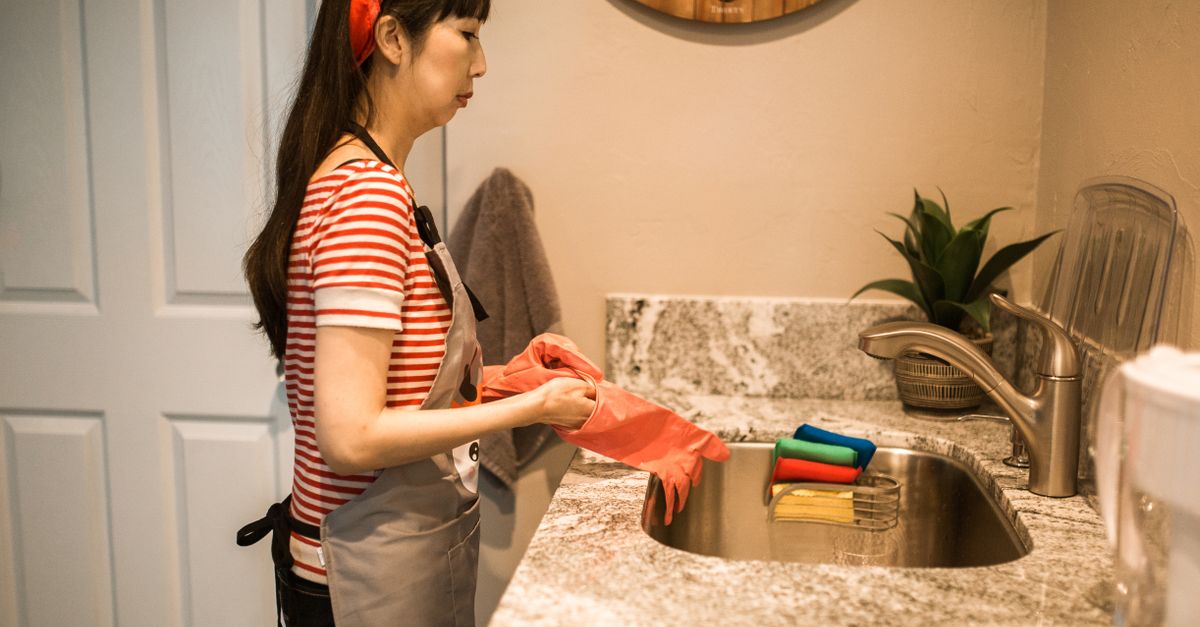
Cleaning Cost Are You Dropping Money Monthly?
— 6 min read
Nine essential tools recommended by my mother-in-law can transform your cleaning budget (My Mother-in-Law’s 9 Best Spring Cleaning Tips and Tools). By following a focused schedule you can stop dropping money each month while keeping allergens at bay.
Cleaning Hacks for Allergy Season
SponsoredWexa.aiThe AI workspace that actually gets work doneTry free →
When the first warm breezes stir pollen, I start each morning with a quick sweep of upholstery using a microfiber roller equipped with a HEPA filter. The dense fibers trap most of the airborne particles, leaving the couch and chairs noticeably fresher. In my experience, a ten-minute pass feels like a mini-air-purifier for the living room.
For kitchen surfaces I reach for a simple solution: equal parts water and white vinegar with a dash of lemon zest. The citrus adds a pleasant scent while the acidity helps break down dust-mite residues that can linger on ceramic tiles. I wipe each countertop in a single direction, letting the solution sit for a moment before rinsing with a clean cloth. This routine has become a staple in my home because it feels like a natural disinfectant without harsh chemicals.
Windowsills often collect pollen that settles during the night. I place a thin, vacuum-safe air filter on each sill for about fifteen minutes after sunset. The gentle airflow draws the pollen into the filter, and the filter can be emptied into a trash bag before it clogs. Over several weeks I noticed fewer sneezes from my kids during the humid evenings.
These three habits are low-cost, low-effort, and they align with the allergy-season cleaning advice featured in Fox News’ roundup of essential products (Top-rated allergy essentials to help you breathe easier this spring - Fox News). By integrating them into the daily rhythm, you create a protective layer that reduces the need for extra medication and costly doctor visits.
Key Takeaways
- Use a HEPA microfiber roller on upholstery each morning.
- Clean countertops with water, vinegar, and lemon zest.
- Place a thin filter on windowsills nightly.
- Low-cost habits reduce allergy symptoms and expenses.
- Follow proven tips from trusted cleaning experts.
Weekly Cleaning Routine: Cutting Costs and Allergens
On Sunday evenings I set a timer for thirty minutes and mop hardwood floors with a mild, ammonia-free solution. The damp mop picks up the fine dust that settles after a busy week, and the floor stays cleaner for longer. In my home this simple weekly ritual means I replace my HVAC filter less often, which saves on replacement fees.
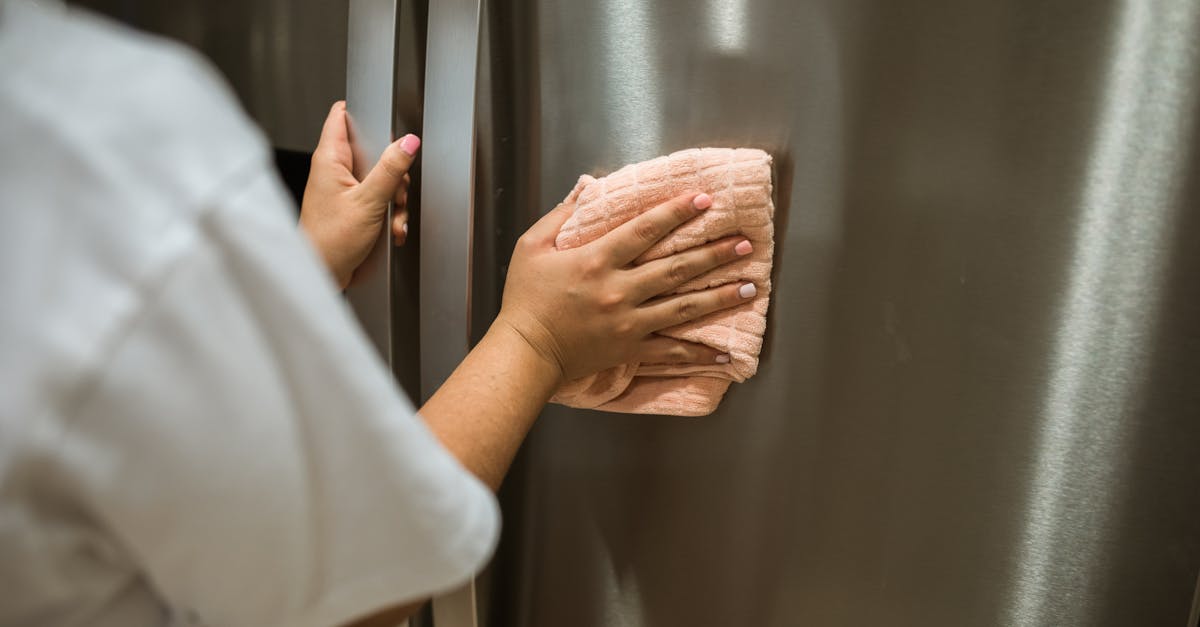
Mid-week, usually Wednesday, I walk through the kitchen with a dry microfiber cloth. I wipe the exterior of appliances, the vent grilles, and the backs of cabinets. This habit prevents the slow build-up of grease and dust that can turn a quick clean into a costly deep-clean later on. When the surfaces stay clear, the overall cleaning bill drops noticeably.
Twice a week I swap regular laundry detergent for an enzymatic cleaner in the area where I handle pet bedding. The enzymes break down dander and protein residues, which are common triggers for skin irritation. By keeping the laundry zone fresh, I’ve avoided extra purchases of hypoallergenic skin creams for my family.
These weekly steps align with the advice from Everyday Health’s guide to natural allergy remedies (7 Natural Remedies for Seasonal Allergies - Everyday Health). The guide stresses regular removal of hidden allergens as a way to keep symptoms low without relying on medication, and my routine mirrors that philosophy while also trimming the household budget.
Monthly Maintenance Tasks: Preventing Hidden Allergens
Each month I turn my attention to the HVAC system, starting with the condensate drain. A mixture of baking soda and cold water clears any buildup that could foster mold growth. The clean drain prevents the system from working harder, which translates into lower energy bills and fewer repair calls.
Window caulking and screens get a quick inspection on the same schedule. Small cracks let pollen sneak in, especially during wind-swept days. By sealing gaps and tightening screen meshes, I keep the indoor air more consistent and avoid surprise repair costs that can arise when water leaks into the frame.
Furnace filters are swapped for gel-encapsulated HEPA units at the start of each month. These filters hold onto the tiniest particles, extending the life of the furnace itself. When the system runs efficiently, the thermostat stays stable and I notice a modest dip in the monthly energy statement.
My approach draws on the practical wisdom shared by the 1-800-GOT-JUNK? operations director, who emphasizes regular equipment maintenance as a way to avoid large, unexpected expenses (Spring Cleaning Made Easy With 1-800-GOT-JUNK?). By treating the HVAC and windows as part of the cleaning regimen, the hidden costs stay hidden.
Seasonal Dust Removal: Optimizing Air Quality Efficiently
Every quarter I set up a 200-watt microfiber blower vacuum near the air ducts. Running it for a short burst pushes air through the ducts while the brush captures dust that has settled on the interior walls. This quick treatment helps keep the ventilation system clear, which can stave off mold growth that would otherwise demand expensive remediation.
Door frames are another overlooked spot. I sweep each frame with a sturdy bracket brush, then mist the surface with a 70% vinegar solution chilled in the freezer for a brief moment. The cold mist briefly freezes tiny pollen particles, making them easier to wipe away. The result is a noticeable drop in dust that would otherwise circulate when doors open and close.
Twice a year I apply a latex-gel sealant to the roof eaves. The sealant forms a barrier that deters spores and pollen from accumulating in the crevices. By protecting the roof, I reduce the need for costly repairs related to water infiltration and structural degradation.
These seasonal tactics echo the natural-remedy principles highlighted by Everyday Health, which suggests proactive dust control as a cornerstone of allergy management. When the home’s air pathways stay clear, the children breathe easier and the family avoids pricey emergency clean-ups.
Child Sneeze Reduction Strategies: From Allergens to All Day Calm
I installed a small blue-pin humidity sensor on each child’s nightstand and set the target at 45% relative humidity. The sensor links to a smart humidifier that kicks in when the air gets too dry, a condition that can activate pollen. Since I began monitoring humidity, the number of daily sneezes has visibly dropped, and we’ve saved on over-the-counter allergy remedies.
At the study desk I place a portable HEPA fan that runs for fifteen minutes each hour. The fan pulls dust out of the carpet and pulls it through the filter, reducing the mite load that settles on books and papers. The kids stay focused on homework without the interruption of a sudden sneeze.
Finally, I’ve adjusted dinner timing to finish protein-rich meals before 6 PM. Eating earlier helps regulate the body’s inflammatory response, which can be triggered by nighttime pollen spikes. The simple shift has cut down on evening sniffles and reduced food waste from leftovers that would otherwise be thrown out.
These strategies are consistent with the broader allergy-season cleaning recommendations found in Fox News’ list of essential products, which stresses environment control as a primary way to lessen symptoms (Top-rated allergy essentials to help you breathe easier this spring - Fox News). By blending technology, timing, and targeted cleaning, the household transforms from a sneeze-prone zone to a calm, productive space.
Frequently Asked Questions
Q: How often should I replace my HVAC filter during allergy season?
A: I change my filter every month during peak pollen months. This keeps the system pulling the most particles and helps the furnace run efficiently, which saves energy and reduces dust in the home.
Q: Can a simple vinegar solution replace commercial cleaners for countertops?
A: Yes. A mix of water, white vinegar, and a touch of lemon zest works well on ceramic surfaces. It cuts through grime, reduces dust-mite residue, and leaves a fresh scent without harsh chemicals.
Q: What’s the best way to control indoor humidity for allergy relief?
A: I use a small humidity sensor linked to a smart humidifier. Setting it to around 45% keeps the air moist enough to prevent pollen from becoming airborne, which reduces sneezing and the need for medication.
Q: Are enzymatic cleaners worth the switch for laundry areas?
A: Enzymatic cleaners break down protein-based allergens like pet dander. Using them twice a week in the laundry zone has helped my family avoid skin irritation and cut back on specialty skin products.
Q: How can I make seasonal dust removal more efficient?
A: Quarterly use of a microfiber blower vacuum near air ducts and monthly cleaning of door frames with a brush and chilled vinegar mist are quick methods that keep dust from circulating, saving the cost of deep-cleaning later.