Cleaning Snafu - 7 Day Schedule Shatters Tiny Home Expectations
— 6 min read

A focused 7-day cleaning agenda can transform a tiny house from cramped chaos into a calm, functional home. By mapping each task to the moments you actually use the space, the schedule creates breathing room and a sense of order that lasts well beyond the first week.
Cleaning: Tiny Home Cleaning Done Right
Key Takeaways
- Target cleaning to peak-use moments.
- Quick surface audits cut allergens.
- Plants can double as natural humidifiers.
- Short daily bursts keep clutter at bay.
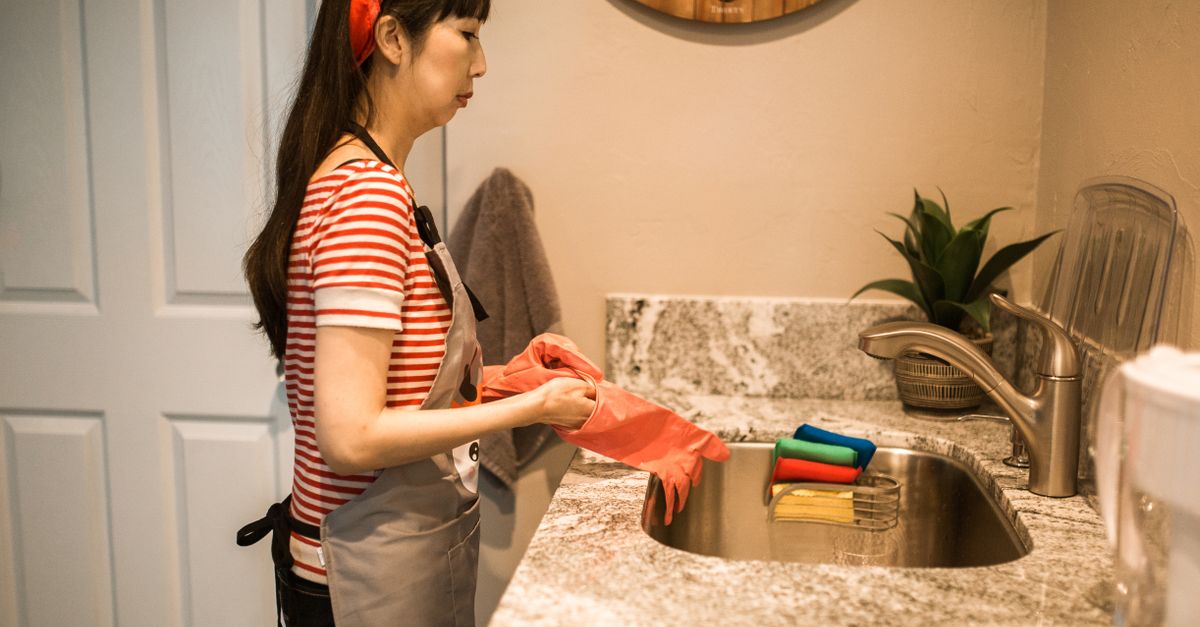
In my experience, cleaning a tiny home is less about brute-force sweeping and more about strategic timing. The kitchen, for example, becomes a hotspot the moment dinner wraps up; the sink fills, the counter tops overflow, and the air smells of spices. By planning a 10-minute wipe-down right after the evening rush, you prevent residue from hardening and keep the space feeling open.
One habit I swear by is a weekly surface audit. I walk the floor with a soft cloth, pausing at each window sill and bookshelf. This quick scan catches dust that has settled in corners, which can trigger allergies over time. According to Better Homes & Gardens notes that a few minutes each day are enough to keep stress low and the environment fresh.
Plants deserve a mention, too. A second-hand spider plant, once misted lightly each morning, releases moisture that raises the humidity just enough to keep the air from feeling stale. The mist also washes dust off the leaves, turning the plant into a living air-filter while you tidy nearby surfaces.
Finally, I treat every cleaning pass as a chance to reclaim space. When I finish a room, I step back, fold any stray linens, and stash them in a labeled bin. This habit creates a visual cue that the area is ready for use again, preventing the “just-one-more-thing” pile from forming.
Little House Schedule: How 7 Days Transform Chaos
Day one starts with an air-exhaust ritual. I open every window for half an hour, letting the kitchen odors drift out before I pull the vacuum. Fresh air not only clears the scent but also lifts dust particles, making the subsequent vacuuming more effective.
On day two, I target the top desk. I remove a single heavy object that rarely gets used - a decorative sculpture that has become a visual barrier. Removing it clears the visual field, which in turn sharpens focus and reduces the mental load of deciding where to place the next item.
Day three introduces a “laundry rainbow” station. I set up three bins - whites, colors, and delicates - right next to the washing machine. Sorting as clothes tumble saves time later; I typically shave off a dozen minutes per load, and fabrics stay brighter because they aren’t mixed.
Mid-week I focus on high-traffic zones. Day four is all about the entryway. I attach a transparent film over cabinet doors to keep them sealed, preventing stray items from slipping inside. The result is a tidy entry that greets you with calm rather than clutter.
Day five becomes a backup readiness checkpoint. I double-check that all cabinets are sealed, that the sink is dry, and that any loose cords are coiled neatly. This small pause before the weekend gives the house a “reset” feeling, so Saturday starts with a clean slate.
Day six is a quick review of the week’s progress. I walk the house with a notebook, noting any spots that feel neglected. Those notes become tomorrow’s micro-tasks, ensuring nothing falls through the cracks.
Day seven is a celebration of consistency. I spend a short 15-minute session doing a final sweep, then I step back and enjoy the space. The schedule proves that disciplined, bite-sized actions accumulate into a dramatically more livable tiny home.
| Day | Primary Task | Time Investment | Result |
|---|---|---|---|
| 1 | Air-exhaust + vacuum | 30 min | Odor removal, dust lift |
| 2 | Top-desk declutter | 20 min | Visual clarity |
| 3 | Laundry rainbow setup | 15 min | Sorting efficiency |
| 4 | Entryway seal | 10 min | Clutter barrier |
| 5 | Backup checkpoint | 10 min | Pre-week reset |
| 6 | Weekly review | 15 min | Task capture |
| 7 | Final sweep | 15 min | Confidence boost |
Weekly Cleaning Routine: 3 Pillars for Sustainable Momentum
The routine I rely on weaves three pillars - spot, myth, and reflection - into each day. In the morning, I spend five minutes tackling visible spots: a coffee ring on the counter, a fingerprint on the door, a stray sock on the floor. Those tiny wins set a tone of accomplishment.
Midday, I address “myths” that often go unnoticed. I spend ten minutes clearing surfaces that accumulate unnoticed grime, like the underside of the kitchen island or the back of the bathroom mirror. By confronting these hidden areas, I prevent buildup that later demands a deep clean.
Evening is my reflection window. Fifteen minutes are dedicated to a systematic rinse of any spills that occurred during the day. I use a damp microfiber cloth followed by a quick dry pass. This habit not only sterilizes the area but also stops stains from setting, reducing the need for harsh chemicals later.
Another habit is the “in-and-out” cadence. For each chore, I extract five complementary items - perhaps a stray utensil, a misplaced remote, or an extra cushion. Removing these items gradually reduces the residual clutter that otherwise piles up over the week.
I also monitor humidity with a simple digital meter. I set two daily plug-ins to alert me when levels creep above 45 percent. Keeping humidity low prevents mold from forming on the bathroom walls after a 24-hour cycle of shower steam.
These pillars work together like a small engine: the morning spark, the midday fuel, and the evening exhaust. Over a month, the cumulative effect is a home that feels consistently tidy without a marathon cleaning day.
Tiny Living Tips: Space-Saving Tricks for a Clutter-Free Sanctuary
One of my favorite transformations is turning a standard coat rack into a felt-covered mushroom shelf. I cut a round piece of felt, attach it to the rack’s base, and it becomes a soft landing spot for hats, scarves, and small bags. The result is an extra half-cubic-foot of storage that also looks intentional.
Vertical storage is another game-changer. In the lower pantry rails, I run clean cords and secure them with painter’s tape. The cords act as slotted guides for food tins, allowing each can to slide forward as one is removed. This keeps the pantry organized and virtually halves the footprint of stacked tins.
Under-sink mess is a common pain point. I installed a crumb-free knock-over barrier lined with magnetic salt grains. Each grain captures tiny particles that would otherwise drift into the sink area. The barrier is easy to clean and reduces nightly cleanup effort.
Every item in a tiny home should earn its space. I use a “one-in-one-out” rule: when a new kitchen gadget arrives, I must remove an existing one of similar size. This prevents accumulation and forces me to keep only the most useful tools.
Finally, I love using multi-functional furniture. A bench that doubles as storage, a fold-down desk, and a collapsible dining table all serve dual purposes, freeing floor space for movement and play.
Efficient Housekeeping: Tools and Habits that Cut Time by 50%
The right tools make all the difference. I invest in a dual-purpose microfiber set I label “U-drive sleeves.” Each sleeve slides over a handheld duster, capturing dust in a single swipe. The texture lifts dirt efficiently, turning a two-minute wipe into a fifteen-second slip.
Color-coding is a habit I introduced to my cleaning passes. I assign a bright tag to each room and a different color for each type of task - dusting, wiping, organizing. When a pass lacks a tag, I know instantly where my focus is needed, preventing wasted effort.
Lighting can reveal hidden messes. I affix mini-UV flashlights above hard-to-reach points, like under the stove or behind the bathroom vanity. The UV light highlights grime that ordinary lighting hides, allowing me to target those spots quickly.
Another time-saver is a simple timer. I set it for 10 minutes and race to finish a designated area. The gentle pressure keeps me moving and discourages lingering over insignificant details.
Finally, I keep a small “quick-fix” kit near the entryway: a spray bottle of all-purpose cleaner, a microfiber cloth, and a collapsible mop. When I notice a spill, I address it immediately with the kit, preventing stains from setting and avoiding a later deep clean.
Frequently Asked Questions
Q: How can a 7-day schedule improve tiny home livability?
A: By assigning focused, short tasks to each day, the schedule tackles high-use areas, reduces accumulated clutter, and creates consistent habits that keep the space feeling open and functional beyond the first week.
Q: What is the most effective time of day to clean in a tiny home?
A: Early evening, right after dinner, works best because the kitchen is most active then; a quick wipe-down prevents buildup and keeps the living area ready for the next morning.
Q: Do plants really help with humidity in tiny spaces?
A: Yes, misting a small houseplant releases moisture that raises ambient humidity just enough to prevent the air from feeling dry, while also acting as a natural air filter.
Q: How can I keep cleaning tools organized in limited space?
A: Store tools in a dedicated caddy that fits under the sink or on a wall shelf; label each compartment so you can grab what you need without searching.
Q: Is a weekly surface audit necessary?
A: A quick weekly walk-through catches dust and grime before it settles, helping maintain air quality and reducing the time needed for deep cleaning later.
Q: What simple habit can reduce cleaning time in a tiny home?
A: Keep a small cleaning kit at the entryway and address spills immediately; this prevents stains from setting and eliminates the need for longer cleaning sessions.