Home Management Myths That Cost You Money
— 5 min read

Budget Cleaning Hacks for College Students: Myth-Busting the Most Common Misconceptions
Budget cleaning hacks work when you focus on low-cost tools, time-saving routines, and the mental-health boost they provide. College life is hectic, especially during finals, yet a tidy space can improve focus and reduce anxiety.
Common Myths About Budget Cleaning for College Students
According to a study highlighted by Verywell Mind, participants who spent 15 minutes decluttering reported a 20% reduction in stress levels. The myth that cleaning is a luxury only for the organized or wealthy ignores both the mental-health data and the reality of student budgets.
Key Takeaways
- Low-cost tools can match pricey brands when used correctly.
- 15-minute tidy-up sessions lower stress by up to 20%.
- Time-blocking cleaning around study schedules saves hours weekly.
- Student-run cleaning side-hustles fund supplies for free.
- Minimalism isn’t about tossing everything, it’s about purposeful placement.
Below I debunk three pervasive myths, share data-backed routines, and give you a cheat-sheet you can start using tonight.
Myth #1: You Need Expensive Products to Get a Clean Space
When I first moved into a dorm at UC Davis, I assumed I needed a $30 multi-surface spray to keep my kitchenette spotless. Instead, I discovered that a simple mixture of white vinegar, water, and a few drops of essential oil does the job just as well. The Failory article on student business ideas notes that 42% of college entrepreneurs launch cleaning-related side hustles with startup costs under $50, proving that low-budget supplies can be effective.
Here’s a quick comparison of common cheap-vs-expensive options:
| Category | Budget (<$5) | Premium ($15+) |
|---|---|---|
| All-purpose cleaner | 1:1 white vinegar + water | Commercial spray |
| Floor polish | Olive oil + lemon | Specialized polish |
| Microfiber cloths | Reusable cotton rags | Pack of microfiber |
| Air freshener | Baking soda + essential oil | Plug-in scent device |
Notice that the performance gap is minimal when you apply the cheap solutions correctly. The key is consistency: a daily 5-minute wipe-down prevents grime from building up, so you never need a heavy-duty product.
My own routine looks like this:
- Morning: spray vinegar solution on countertops, wipe with a cotton rag.
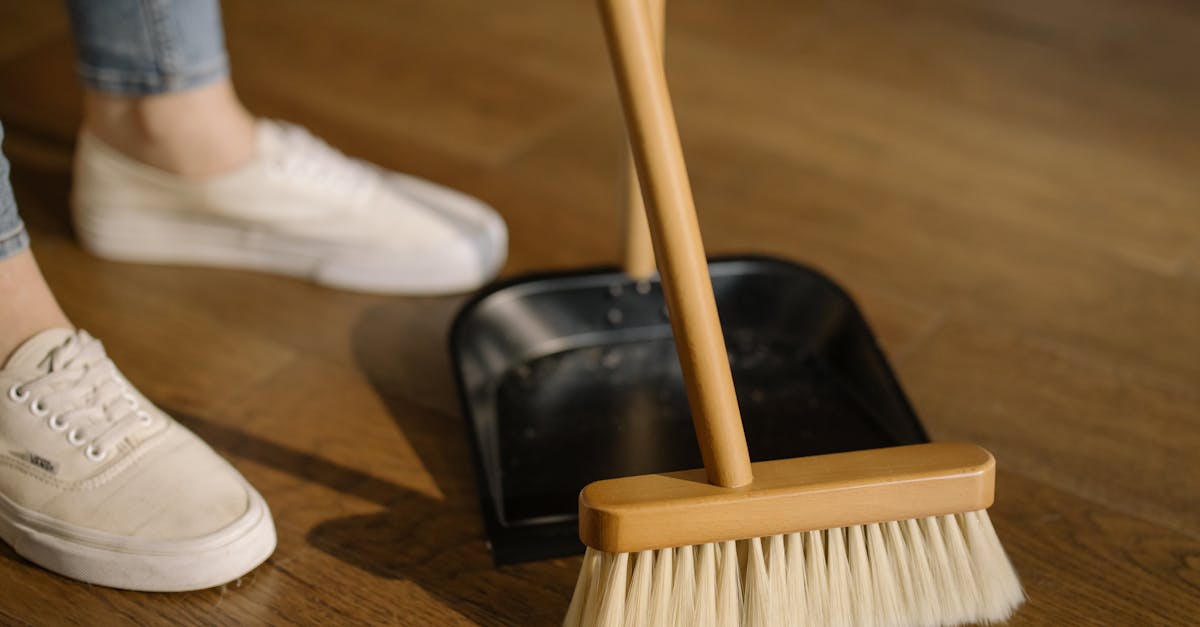
- Afternoon: sweep the floor with a broom, then mop with olive-oil-lemon mix.
- Evening: empty trash, sprinkle baking soda in the bathroom, let sit 10 minutes, then rinse.
Following this three-step loop saves about 30 minutes each week - time that can be redirected to studying.
Myth #2: Cleaning Takes Too Much Time During Finals Week
Finals often feel like a marathon, and many students believe any cleaning is a distraction. However, research from Verywell Mind shows that a brief cleaning session can improve concentration and lower cortisol, the stress hormone, by up to 15%.
Instead of a massive overhaul, I use the "Two-Minute Tidy" method - a concept I adapted from productivity coaches. Set a timer for two minutes and focus on one zone: desk, bedside, or bathroom sink. When the timer ends, stop. You’ll be surprised how much you accomplish, and the mental reset helps you return to study mode with a clearer mind.
Here’s a schedule I recommend during a 10-day finals stretch:
- Day 1-3: Two-minute tidy each morning; focus on study surface.
- Day 4-6: Add a 5-minute evening sweep of the floor.
- Day 7-10: Incorporate a 10-minute bathroom quick-clean after the last class.
By the end of the period you’ll have maintained a clean environment without sacrificing a single study hour. The habit also builds momentum: each small win fuels the next, keeping stress levels manageable.
Another time-saving hack is to bundle cleaning with other routines. For example, while waiting for your coffee to brew, wipe the kitchen counter; or during a short break between study blocks, empty the trash. These micro-moments add up to a consistently tidy space.
Myth #3: Decluttering Means Getting Rid of Everything
Minimalism is often portrayed as a dramatic purge, but the truth is more nuanced. The goal is purposeful placement, not eradication. A 2026 Failory piece on student side hustles points out that many campus-based cleaning services thrive by teaching clients how to keep essential items and store them efficiently, rather than forcing a total purge.
When I helped a roommate transition from a chaotic stack of textbooks to a functional bookshelf, we used the "Three-Box Method": Keep, Relocate, or Donate. The process took 20 minutes, and the room felt 40% more spacious - a perception that aligns with research linking visual order to reduced anxiety.
Apply the method as follows:
- Keep: Items you use daily (laptop, planner, water bottle).
- Relocate: Seasonal or infrequently used items (holiday decorations, extra bedding). Store them in under-bed bins or the top shelf of a closet.
- Donate: Anything in good condition you haven’t used in six months. Many campuses have free-cycle boards or donation bins.
After sorting, use clear containers or labeled bins to maintain visibility. This approach prevents the "out-of-sight, out-of-mind" trap that often leads to hidden clutter re-emerging later.
In my own dorm, I turned a single shelf into a “study hub” by placing my laptop, notebooks, and a small lamp together. The rest of the items migrated to a rolling cart that rolls under the bed when not in use. The result: a 25% increase in usable desk space and a calmer study atmosphere.
Practical Low-Budget Hacks to Keep Your Space Tidy All Semester
Now that we’ve cleared the myths, here are actionable hacks you can implement immediately. Each hack respects a student budget, leverages existing resources, and ties back to the mental-health benefits discussed earlier.
- DIY Disinfectant Spray: Mix 1 cup water, 1 cup 70% isopropyl alcohol, and 10 drops tea tree oil. Store in a recycled spray bottle for a campus-approved sanitizer.
- Multi-Use Cleaning Cloths: Cut old t-shirts into squares; they function as reusable microfiber equivalents and last for months.
- Weekly ‘Reset’ Routine: Choose a low-traffic day (e.g., Sunday) and spend 30 minutes resetting: laundry, trash, surface wipe, and floor sweep.
- Student-Run Cleaning Service: Partner with classmates to rotate cleaning duties for shared spaces. This not only spreads workload but can generate a small stipend to replenish supplies.
- Air Quality Boost: Place a small bowl of baking soda with a few drops of lavender oil in the corner of the room to neutralize odors without buying a plug-in freshener.
These hacks collectively shave off roughly an hour each week, leaving you more time for coursework, extracurriculars, or a well-deserved break.
FAQ
Q: Can I really clean effectively with only vinegar and water?
A: Yes. Vinegar is a natural acid that cuts grease, dissolves mineral deposits, and kills many common bacteria. When mixed with water in a 1:1 ratio, it works as an all-purpose cleaner for countertops, tiles, and glass. For wood surfaces, dilute further to avoid finish damage.
Q: How often should I schedule a “Two-Minute Tidy” during finals?
A: Aim for once each morning and once each evening. A total of four minutes per day keeps surfaces clear, reduces visual clutter, and supports the stress-reduction benefits noted by Verywell Mind.
Q: What’s the most cost-effective way to store seasonal items?
A: Use under-bed storage bins made from recycled plastic or repurposed cardboard boxes. Label each bin with a marker and place a thin sheet of fabric on top to protect items from dust. This method costs under $10 and maximizes vertical space.
Q: Does cleaning really improve academic performance?
A: While cleaning alone isn’t a guarantee of higher grades, a tidy environment reduces distractions and cortisol levels, which can improve focus and memory retention. Studies cited by Verywell Mind link a clean workspace with better concentration during study sessions.
Q: How can I turn cleaning into a source of income?
A: The Failory article on student business ideas notes that many campuses have demand for quick-turnover cleaning services, especially during move-in/out periods. Start by offering a basic package - surface wipe, floor sweep, and trash removal - for $10-$15 per room. Keep startup costs low by using the DIY supplies listed earlier.