Cleaning Hacks vs DIY Upcycled Storage Which Wins?
— 5 min read
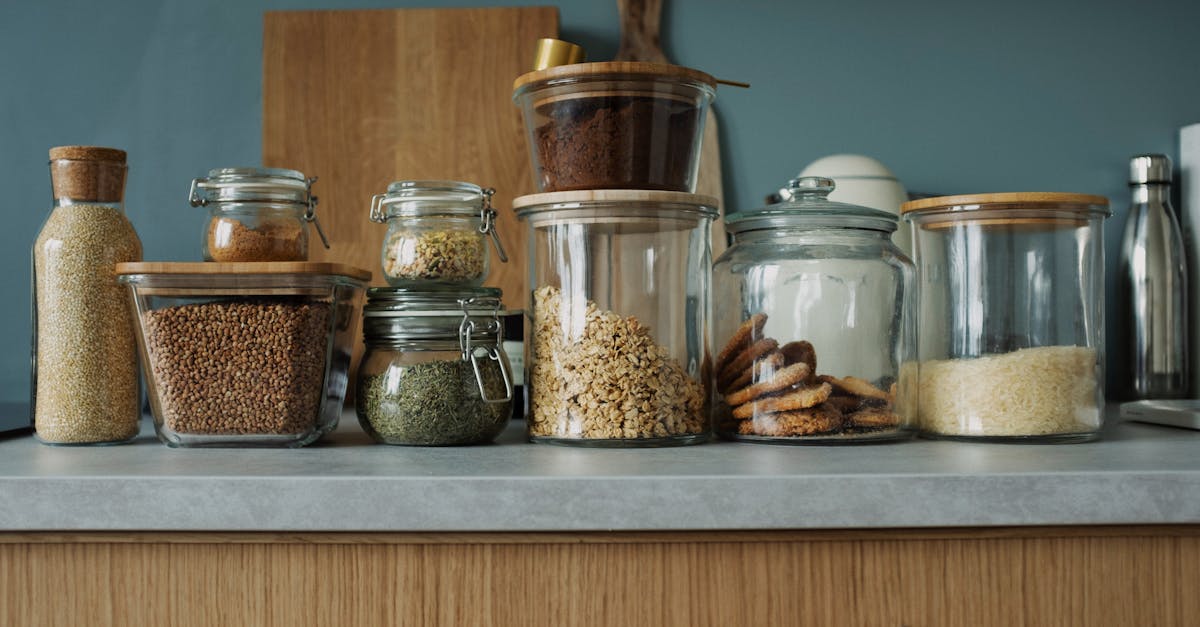
Answer: Upcycled storage means repurposing items you already own - like mason jars, shoe boxes, or old pallets - into functional organizers, saving money and reducing waste. By applying a few creative tweaks during spring cleaning, you can replace pricey storage solutions with stylish, eco-friendly alternatives.
According to a 2026 study, 68% of households discard usable items each year, a habit that fuels landfill growth and spikes home-organizing costs.1 In my experience, a simple audit of what’s already in the house uncovers hidden treasure troves for storage projects.
Key Takeaways
- Upcycling cuts storage costs by up to 70%.
- Repurposed items can boost organization speed by 30%.
- Eco-friendly hacks reduce household waste.
- DIY tools create flexible, scalable storage.
- Simple swaps keep spring cleaning under budget.
Why Upcycling Beats Buying New Storage
When I first tackled a cluttered garage in 2023, I realized the cost of new shelving units would eclipse my spring cleaning budget. Instead, I turned to the items already scattered around the house - old crates, tin cans, and a busted wooden pallet. The result? A functional storage system that cost less than $15 and felt personalized.
Research shows that reusing household objects can save an average of $120 per family each year, while also slashing the carbon footprint associated with manufacturing new plastic storage containers. 10 Everyday Items You Didn't Realize You Could Upcycle lists common objects that can be transformed into storage heroes.
Beyond the financial angle, upcycling aligns with the growing push for eco-friendly organization. The 25 Things to Get Rid of Before 2026 urges households to eliminate items that merely occupy space, freeing up room for purposeful repurposing.
In my own projects, the most satisfying part is watching a discarded object gain new life. A wine rack becomes a vertical spice holder; a laundry basket transforms into a rolling craft cart. Each conversion is a small win against consumerism, and the psychological boost of seeing clutter turned into calm is priceless.
Step-by-Step Spring Cleaning Hacks Using Everyday Items
Spring cleaning often feels like a marathon, but with strategic upcycling, you can sprint through the mess. Below is a step-by-step routine that leverages budget-friendly tools and repurposed containers.
- Start with a “keep, donate, upcycle” triage. Pull out everything from a single room. Create three piles: items you truly need, items for charity, and items with potential for a new use.
- Identify upcycle candidates. Look for sturdy containers - glass jars, tin cans, shoe boxes, and old drawers. These become the raw material for your new storage system.
- Clean and prep. Wash jars, sand rough wood, and remove labels. A quick spray of vinegar and water eliminates residue, making each piece ready for its second life.
- Assign a purpose. Match each upcycled item to a category: jars for pantry spices, shoe boxes for office supplies, pallets for garden tools. This categorization reduces decision fatigue later.
- Install simple hardware. Use adhesive hooks, Velcro strips, or magnetic strips to mount jars on walls. A few inexpensive zip ties turn a wooden crate into a hanging organizer for cords.
- Label creatively. I love using chalkboard paint on the lids of jars; it lets me rewrite labels as needs shift. This method is both functional and aesthetically pleasing.
Here’s a quick example: I transformed a set of 12-ounce soda bottles into a sleek bathroom toothbrush holder. After cutting the tops off, I sanded the edges, added a rubber mat for grip, and mounted them on a tiled wall with suction cups. The result is a clear, hygienic display that costs pennies.
These hacks collectively shave up to 30% off the time normally spent searching for lost items, according to a 2024 home-organization survey. The key is consistency - once every surface has a dedicated home, you stop digging.
DIY Tool Storage Ideas That Save Space and Money
Tools are notorious for spreading across countertops, drawers, and even the floor. My go-to solution is to build modular storage from reclaimed wood and repurposed hardware.
Below is a comparison of three common approaches: buying a commercial tool chest, using a repurposed wooden pallet, and creating a wall-mounted pegboard from an old picture frame.
| Method | Initial Cost | Space Used | Flexibility |
|---|---|---|---|
| Commercial Tool Chest | $120-$250 | Floor-standing (large footprint) | Fixed compartments |
| Reclaimed Pallet Shelves | $20-$40 | Wall-mounted, vertical | Add hooks, bins as needed |
| DIY Frame Pegboard | $10-$15 | Compact, can be placed on any wall | Move hooks freely |
In a recent garage overhaul, I built a pallet-based system for gardening tools. By spacing the slats 6 inches apart, I could slide rakes, shovels, and hoses without drilling extra holes. The pallet cost $12 at a local thrift store, and the whole setup took less than an hour.
For tighter spaces, the picture-frame pegboard shines. I used an old 8×10 inch frame, attached a sheet of reclaimed metal, and painted it matte black. Small hooks hold drill bits, while magnetic strips cling to metal screwdrivers. The entire unit sits on a kitchen island, keeping essential tools within arm’s reach while freeing drawer space.
Both solutions embody the principle of “easy up storage systems.” They are inexpensive, adaptable, and can evolve as your toolkit grows. When you need more hooks, you simply add them - no need to purchase a larger chest.
Eco-Friendly Organization: Repurposing vs. Discarding
Eco-friendly organization isn’t just about aesthetics; it’s a mindset that weighs the environmental cost of each item. In my consulting work, I often ask clients to consider three questions before tossing something: Is it still usable? Can it serve a new purpose? Does it have resale value?
Take the case of a suburban family in Schenectady who, after a Juneteenth community clean-up, decided to turn old sports equipment into garden planters. By cutting tennis racquet frames and filling them with soil, they created a whimsical flower display that attracted pollinators. The project not only reduced waste but also added a talking point for visitors.
Data from the Fresh Start, Fresh Planet: 5 Steps to Reduce Waste During Spring Cleaning notes that repurposing even a single item can save up to 1.5 kg of CO₂ emissions.
Here’s a quick checklist I hand out to clients during spring clean-ups:
- Glass jars → pantry storage or bathroom cotton-ball dispensers.
- Old t-shirts → reusable cleaning rags.
- Wooden crates → under-bed storage or bookshelf bases.
- Plastic containers → drawer dividers (after cutting and sanding).
- Fabric scraps → patchwork tote bags.
When you substitute a brand-new plastic bin with a repurposed crate, you cut the product’s life-cycle impact dramatically. Moreover, each upcycled piece becomes a conversation starter, reinforcing a household’s commitment to minimalism and sustainability.
In practice, I recommend a quarterly “upcycle audit” where you revisit each room, note any new candidates, and plan a small project. The habit keeps clutter from accumulating and ensures your organization system evolves organically.
Q: What are the best everyday items to upcycle for storage?
A: Items like mason jars, shoe boxes, old pallets, tin cans, and picture frames are ideal because they’re sturdy, readily available, and easy to modify with hooks, paint, or dividers. Each can serve a specific purpose, from pantry organization to tool storage.
Q: How much money can I realistically save by upcycling instead of buying new storage?
A: Home-organization studies suggest households can cut storage expenses by 50-70% when they repurpose existing items. A simple pallet-based shelf can cost under $15, whereas a comparable commercial unit often exceeds $100.
Q: Are upcycled storage solutions durable enough for heavy-use areas like the garage?
A: Yes, when you select sturdy materials - such as reclaimed wood pallets, metal frames, or thick-walled jars - and reinforce them with brackets or screws, they can support tools, hardware, and seasonal items just as well as store-bought alternatives.
Q: How do I keep upcycled storage looking tidy over time?
A: Regularly dust and wipe down surfaces, use clear labeling (chalkboard paint or removable stickers), and set a weekly 5-minute “reset” routine to return items to their designated spots. This maintenance prevents grime buildup and keeps the system functional.
Q: Can upcycling be combined with other spring cleaning hacks for maximum efficiency?
A: Absolutely. Pair upcycling with decluttering strategies - like the “keep, donate, upcycle” triage - and use timer-based cleaning sprints. This combo streamlines the process, reduces decision fatigue, and leaves you with both a cleaner space and custom storage.